The plane takes off, the multiplier starts climbing, and for a second your brain just goes quiet. That tiny window between cash out now and wait just a bit longer is where the entire game lives and it's exactly why so many players in India keep coming back to the Aviator game online night after night.
It looks simple from the outside. A plane, a rising number, a button. But there's more happening under the hood than most beginners realize, and rushing in without understanding the basics is usually how good money turns into a rough first session.
This blog breaks down how the game actually works, how to play it properly, and what separates players who last from players who burn out fast. No recycled tips, no vague promises. Just what you actually need before you place your first bet.

Aviator is a crash game built by Scribe, and it's different from your typical slot machine. There are no spinning reels or paylines. Instead, you watch a small plane climb upward while a multiplier ticks up in real time. Your job is simple on paper: cash out before the plane flies off screen and crashes.
Wait too long, the plane disappears, and your bet is gone. Cash out too early, and you leave money on the table. That tension between greed and caution is the whole appeal, honestly, and it's what makes people come back round after round.
A few basics worth knowing right away:
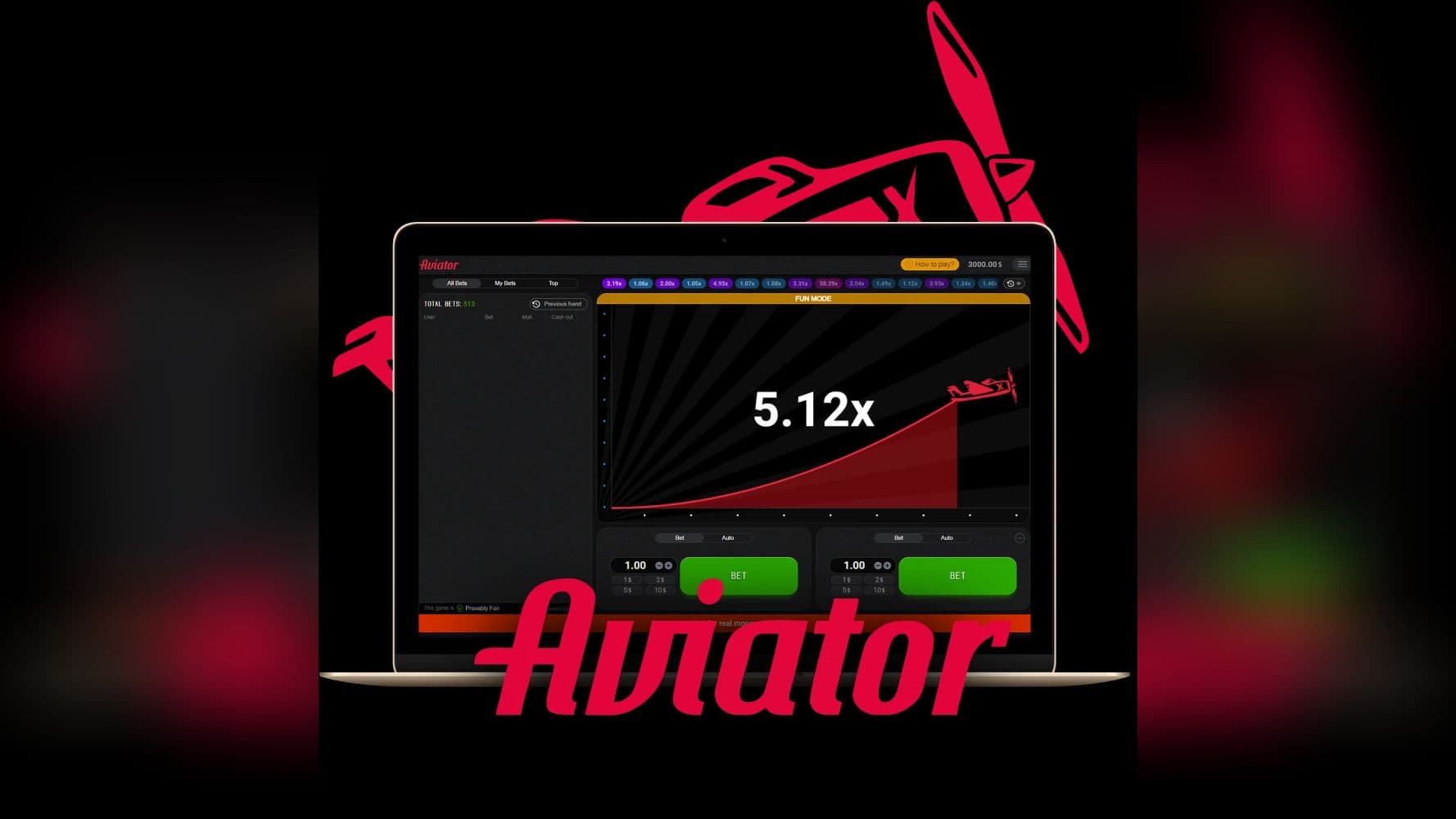
Getting started takes less time than making a cup of chai. First, pick a licensed platform that supports the game and offers INR deposits. Not every site is equal here, and this matters more than beginners realize. Second, set your bet amount before the round starts. Third, watch the plane take off. The multiplier begins climbing from 1x immediately.
Now comes the actual decision-making part. You watch the number rise, and at some point you hit the cash out button. Whatever the multiplier shows at that exact moment is what your original bet gets multiplied by. Miss the window, the plane flies away, round over, bet lost.
There's also an auto-cash-out feature on most platforms, where you set a target multiplier in advance, and the system cashes you out automatically once it hits. Useful for play aviator who do not want to rely purely on reflexes, or who tend to get greedy in the moment.
Every serious platform offers a demo mode, and if you're new, use it. Not for a few rounds either. Spend real time in demo play watching how multipliers behave, how often the plane crashes early versus late, and how your own emotions react when you're winning versus losing. It costs nothing and teaches you patterns you simply can't learn by reading articles.
There's a lot of noise online aviator game strategies, and most of it doesn't survive contact with reality. The game runs on a random number generator, so no pattern from three rounds ago predicts what happens next. That said, a few practical habits genuinely help.
Setting a fixed cash-out target, say 1.5x or 2x, and sticking to it consistently tends to build steadier results than chasing huge multipliers every round. It's not thrilling, but it works better than most people expect. Bankroll management matters more than people give it credit for, too. Decide your loss limit before you start playing, not halfway through a losing streak when emotions take over.
Some players split their bets, placing a smaller wager aimed at a high multiplier alongside a bigger, safer bet with an early cash-out target. This offsets losses when the plane crashes early and still gives you a shot at bigger wins occasionally. It won't make you rich overnight, but it smooths out the swings.
One more thing worth saying plainly: predictors, signals, and hacking tools that claim to forecast crash points are not reliable. The RNG resets every round independently. Anyone selling a guaranteed formula in a chat room is not someone you want to trust with your money.

Most Aviator interfaces show live betting activity from other players, along with tabs for top bets, biggest wins, and highest multipliers recorded that day or month. Newer players often skip past this, but it's actually useful context. Watching how experienced players time their cash-outs across dozens of live rounds teaches you rhythm in a way that no written guide fully can.
Just keep some perspective here. Seeing someone win big at 480x does not mean that's a normal outcome; it's an outlier, and building your strategy around chasing outliers usually ends badly.
Aviator is fun precisely because there's real risk involved, but that risk is exactly why boundaries matter. Set a budget before you play, treat losses as the cost of entertainment rather than something to chase back, and step away when a session stops feeling fun. Licensed platforms usually offer deposit limits and session timers, and using them is not a sign of weakness; it's just smart.
Learning to play the Aviator game online really comes down to understanding a few core ideas: watch the multiplier, decide your cash-out point ahead of time, practice in demo mode until the rhythm feels natural, and never chase losses with bigger, riskier bets. The mechanics are simple, but the discipline behind good play takes a bit of practice to build.
Start small, learn the pace of the game, and let your strategy develop from actual rounds played rather than shortcuts promised by strangers online. That's really the only path that holds up over time.
For guides, strategy breakdowns, and updates on how to play Aviator safely, Aviator Game remains a solid starting point for players in India looking to understand the game properly before betting real money.
The game itself isn't directly licensed in India, but many platforms hosting it operate under international gambling licenses. Always check that your chosen platform is properly licensed before depositing money.
Yes. Nearly every platform offering the online Aviator game includes a free demo mode with the same core mechanics, minus live chat and real winnings. It's the best way to learn timing before betting.
Set a modest, fixed cash-out target like 1.5x to 2x and stick with it for your first several sessions. Avoid chasing high multipliers early on, and never increase bets to recover a loss.
Every round is generated independently through a Provably Fair random number system, so previous rounds have no influence on future outcomes. Predictor tools claiming otherwise aren't reliable.